

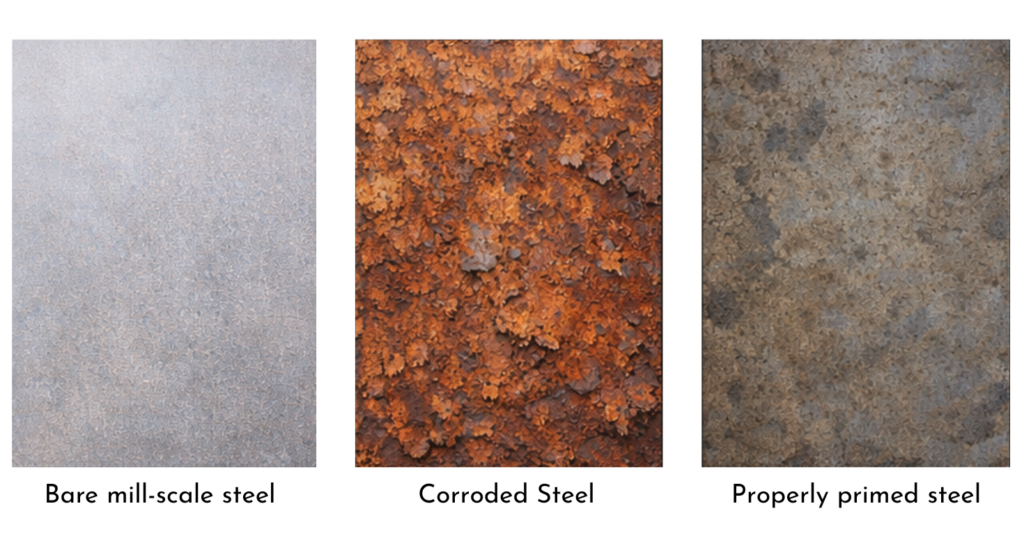
Steel is one of the most durable and versatile structural materials available, but it is inherently vulnerable to one relentless adversary: corrosion. Left unprotected, steel oxidizes when exposed to moisture and oxygen, forming rust that progressively weakens structural integrity. For engineers and fabricators working under AISC standards, the guidance on corrosion protection is precise, pragmatic, and deeply embedded in the specification framework.
This post synthesizes AISC’s core provisions on corrosion protection, covering when protection is required, what methods are recognized, and how detailing decisions affect long-term durability.
The AISC Framework: Where Corrosion Protection Lives
The overarching principle of corrosion protection established in the Specification for Structural Steel Buildings is straightforward: shop painting is not required unless explicitly called for in the construction documents. This places responsibility squarely on the designer to specify protection based on the anticipated service environment.
The AISC Steel Construction Manual and Detailing for Steel Construction (3rd Edition) complement this by providing practical guidance on surface preparation, paint systems, and detailing practices that either help or hinder the long-term performance of any protective coating.
Primary Corrosion Protection Methods Recognized by AISC
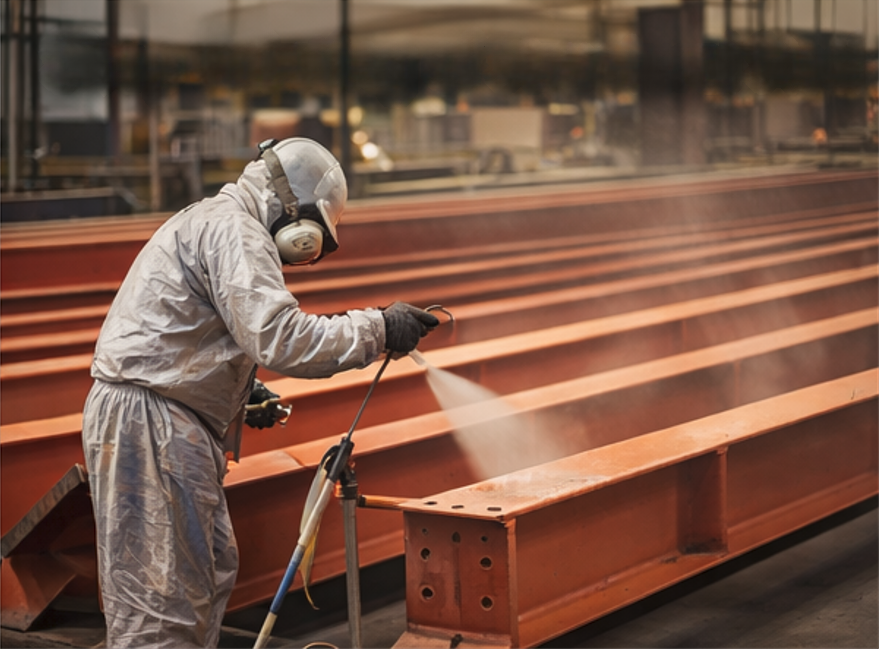
Protective paint coatings: Most common method; primer plus finish coats applied over prepared steel surfaces.
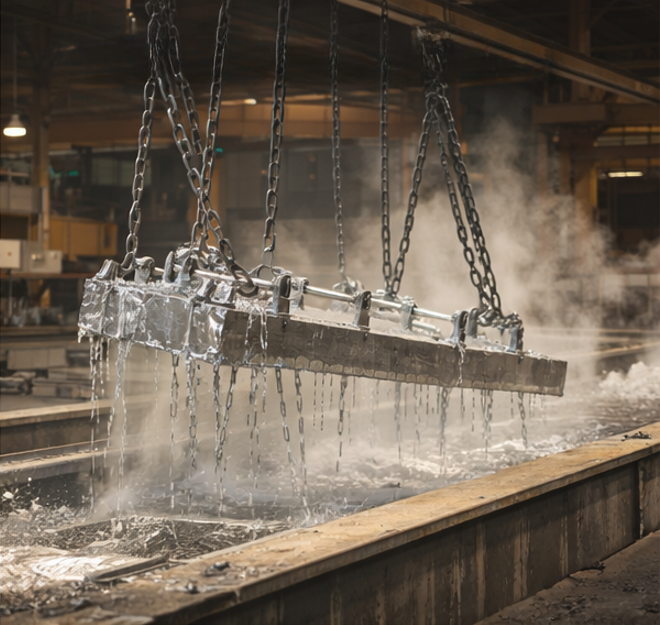
Hot-dip galvanizing: Zinc coating applied by immersion; provides sacrificial cathodic protection to steel.
Weathering steel: High-strength low-alloy steel that forms a stable, protective oxide patina over time.
Encasement in concrete: Steel fully embedded in concrete is considered inherently protected; no shop paint required.
Section-by-Section: Key Provisions of AISC
AISC’s specification addresses several specific conditions that designers and detailers must account for:
1) Surfaces that become inaccessible after assembly must receive two full coats of paint prior to assembly. This applies to surfaces in contact between built-up members and in closed sections where post-erection access is impossible.
2) Contact surfaces in slip-critical bolted joints must not be painted unless a paint system with a documented and tested slip coefficient is used. The AISC Manual identifies approved coatings with verified Class A or Class B surface conditions.
3) Finished bearing surfaces and similar machined or finished areas must be protected from corrosion using a suitable rust-inhibiting compound or coating. These areas require careful coordination in detailing documents.
4) All steel within approximately 2 inches (50 mm) of a field weld location must be free of any materials, including paint, primers, and coatings that would be harmful to the weld or the welder. Detailing for Steel Construction (3rd Ed.) illustrates this as a specific zone to be left bare and noted on shop drawings.
Surface Preparation: The Foundation of Any Coating System
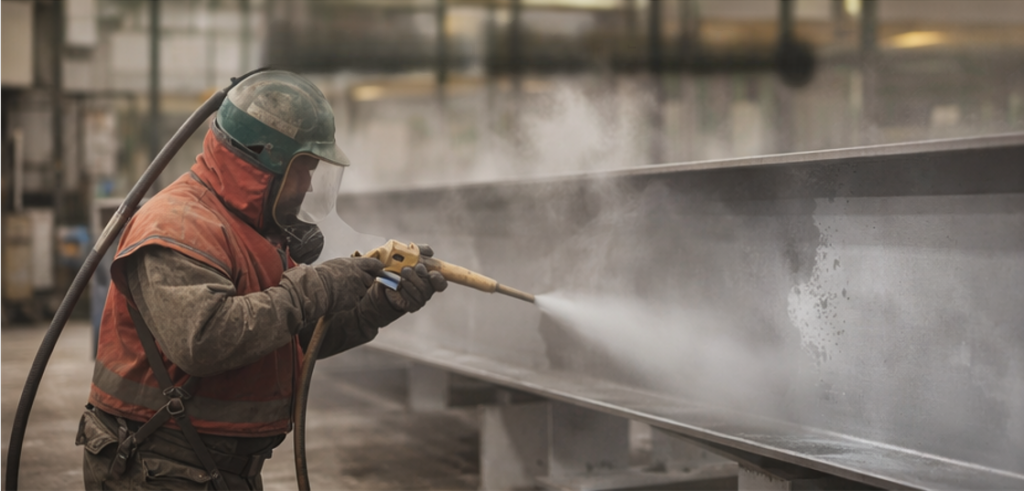
AISC standards consistently reference surface preparation as the most critical variable in the performance of any protective coating. The specification points to standards published by the Society for Protective Coatings (SSPC) as the recognized benchmark for surface cleanliness levels. Common preparation grades include blast cleaning to near-white metal for high-performance industrial coatings, and commercial blast cleaning for standard structural applications.
The AISC Steel Construction Manual notes that mill scale (the dark oxide layer formed during hot rolling), is not an adequate base for most paint systems, and that its removal is essential to achieving the coating adhesion required for long service life. Designers specifying corrosion protection in harsh environments should clearly indicate the required surface preparation class in the project specifications.
Conditions Where Painting Is Not Required
A key strength of AISC’s approach is its recognition that not all steel requires painting. According to the manual, shop painting may be omitted when:
1) Steel is encased in normal-weight structural concrete with adequate cover.
2) Steel is located in enclosed, interior spaces where it is not exposed to corrosive atmospheres, condensation, or weather.
3) Steel is to receive spray-applied fireproofing, provided the fireproofing manufacturer confirms compatibility with bare steel.
4) Weathering steel is used in a suitable environment where it can develop its protective patina without standing water or repeated wet-dry cycling in high-chloride or high-sulfur environments.
Detailing Considerations for Long-Term Durability
Detailing for Steel Construction (3rd Edition) provides essential practical guidance on how connection and member details can either trap moisture and accelerate corrosion, or be shaped to drain freely and remain paintable. Key detailing principles include: avoiding horizontal flat surfaces that retain water, keeping crevices and re-entrant angles to a minimum, designing connections with drain holes where necessary, and ensuring that all surfaces of hollow structural sections (HSS) are either sealed or have continuous coating coverage.
The manual also emphasizes the coordination role of the detailer: shop drawings must clearly indicate which surfaces receive which coating, the extent of bare zones near field welds, and any special protection requirements for contact surfaces in high-slip or galvanized connections.
Corrosion protection in structural steel is not a single decision but a design discipline that runs from material selection and detail geometry through surface preparation, coating specification, and erection practices. AISC’s framework provides engineers and detailers with a coherent, performance-driven approach to keeping steel structures safe and durable for their full design life.